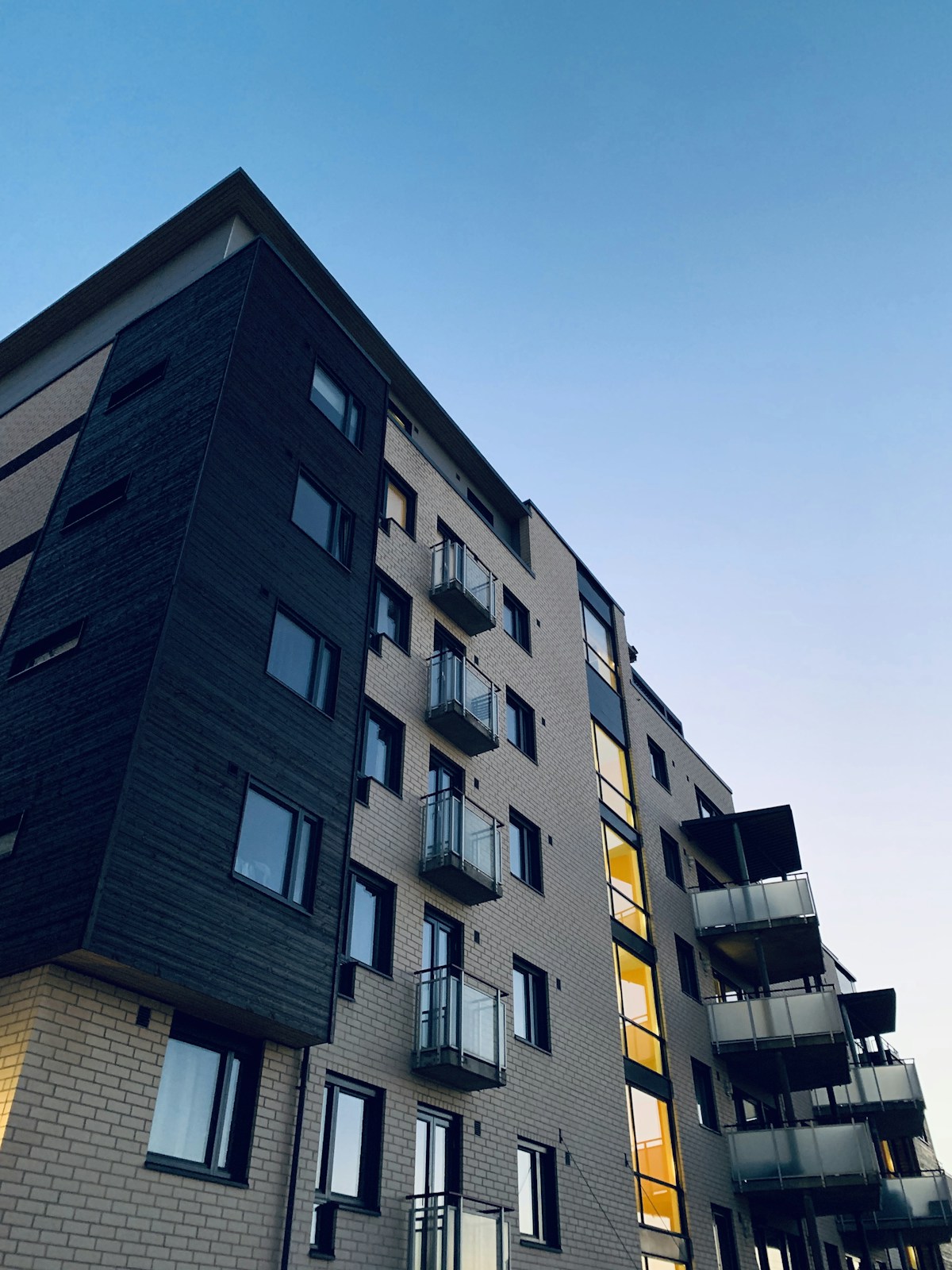
Probate Real Estate 101: A First-Timer's Guide for SoCal Buyers and Investors
As Southern California’s 2026 probate reforms introduce cleaner paths for estates under $750,000, mastering new legal thresholds is essential for investors.

Key Takeaway
While probate properties often trade at a 10-15% discount, investors must account for court-supervised timelines and potential overbid competition, which remains a factor in 30-40% of confirmation hearings.
Probate Real Estate 101: A First-Timer's Guide for Southern California Buyers and Investors
There's a wave of housing inventory building across the country, and it isn't coming from new construction or motivated sellers listing during a hot market. It's coming from something far less discussed: inheritance. As Baby Boomers age, an unprecedented number of homes are beginning to change hands through the probate process, and Southern California — with some of the oldest housing stock and highest home values in the country — sits right in the middle of this shift.
For buyers and investors willing to learn a slightly different process, probate real estate can mean real opportunity: less competition, motivated sellers, and pricing that sometimes lags the open market. It's also an area we know well — probate transactions are part of what we do at Lumara, and we currently have an active probate property moving through this exact process as you read this. Our guide breaks down what probate real estate actually is, how a sale works step-by-step, and what to watch for — in plain English, no legal degree required.
Why Probate Listings Are Becoming More Common
Probate real estate simply refers to property being sold as part of settling a deceased person's estate. It happens when someone passes away owning real property and that property needs to be sold — either because the will directs it, the heirs don't want to keep it, or the estate needs the cash to pay debts and expenses.
This isn't a niche corner of the market anymore. Industry data shows the number of older homeowners expected to exit homeownership between 2026 and 2036 will run between 13.1 and 14.6 million people, a jump of at least 42% compared to the prior decade . Separately, research on demographic shifts in real property law points to accelerating volumes of probate administration and related litigation as this generation transitions out of homeownership. Put simply: more of the country's housing stock is about to move through probate than at any point in recent memory, and California's aging homeowner base makes this especially relevant locally — it's exactly why our team at Lumara has built out dedicated probate expertise rather than treating it as an occasional side transaction.
How a Probate Sale Actually Works
Unlike a traditional sale, a probate transaction is supervised — to varying degrees — by the court. There are two main paths a sale can take, and knowing which one you're dealing with changes everything about the timeline and process. This is the same framework guiding the probate property we're currently working through at Lumara, so we've seen both sides of it firsthand.
Full (Independent) Authority Sales
Many personal representatives (the person managing the estate) are granted "full independent administration authority" by the court. This lets them sell property without a judge approving every detail, but heirs and beneficiaries still get a say through a required document called a Notice of Proposed Action (NOPA).
The personal representative must send this notice to everyone with an interest in the estate at least 15 days before the sale can move forward, spelling out the price and key terms of the deal. If nobody objects within that 15-day window, the sale can close without ever going in front of a judge. If someone does object, the sale gets kicked back to court for full confirmation. For a buyer, this path is faster and looks much more like a conventional closing.
Limited Authority Sales (Court Confirmation Required)
When the personal representative has limited authority — or no independent authority at all — every sale has to be confirmed by a judge. This is the process most people picture when they hear "probate sale," and it comes with a distinctive twist: the courtroom overbid.
Here's how it plays out:
- The property is marketed and an offer is accepted, but only "subject to court confirmation".
- The representative's attorney files a petition, and the court sets a confirmation hearing, typically 30–45 days out.
- Public notice of the hearing is published, inviting other buyers to show up and bid.
- At the hearing, the judge opens the floor to overbids. Anyone can bid higher than the accepted offer, provided they meet the minimum overbid threshold set by law: 10% more on the first $10,000 of the original offer, plus 5% more on everything above that.
- Overbidders must bring a cashier's check for 10% of their bid amount to prove they can follow through.
- The highest qualifying bid wins, and the judge issues an Order Confirming Sale. If you were the original accepted buyer and get outbid, your deposit is returned in full .
- Escrow then closes much like a standard sale, usually within 30 to 45 days of confirmation.
There's also a price floor built into the law: the accepted sale price generally must be at least 90% of the property's appraised value from the estate's official inventory, unless there's good cause for less.
What This Means If You're the Buyer
If you submit the winning offer on a probate property, be prepared for the possibility that your deal isn't fully done until a judge says so — and that a stranger could walk into a courtroom and outbid you on the spot. This is exactly why probate purchases require patience and a bit of a different mindset than a typical resale transaction.
That said, this same structure is often what creates opportunity. Estates frequently want a straightforward, reasonably quick sale over squeezing out the last possible dollar, and many buyers are scared off by the unfamiliar process before they even submit an offer. Fewer competing buyers plus motivated sellers is a combination worth paying attention to — it's a big part of why we've made probate a core focus at Lumara rather than an occasional niche.
Key Terms Worth Knowing
- Personal representative: The executor (named in a will) or administrator (appointed by the court if there's no will) responsible for managing and settling the estate.
- Notice of Proposed Action (NOPA): The 15-day written notice required before certain actions, including real estate sales, under independent administration.
- Overbid: A higher bid submitted in open court during a confirmation hearing, governed by a legally set minimum increase.
- Confirmation hearing: The court proceeding where a judge approves — or opens to overbid — a probate property sale.
The Bottom Line
Probate real estate isn't a shortcut or a loophole; it's simply a different lane with its own rules, timelines, and courtroom procedures. But with an aging population set to transfer homes at a historic pace over the next decade, this lane is only going to get busier — especially here in Southern California. Buyers and investors who take the time to understand how these sales actually work will be far better positioned to act when the right property comes up, rather than passing on it out of unfamiliarity.
At Lumara, we're currently walking a probate property through this very process, and we're always glad to talk through what we're seeing on the ground with buyers, heirs, or fellow investors navigating a probate sale for the first time.
- This article is for general informational purposes and is not legal advice. Anyone considering a probate purchase should consult a qualified real estate attorney or probate specialist regarding their specific situation.